Why Your Resume Isn’t Getting Interviews
If you’re applying in 2026 and hearing nothing back, it’s usually not your talent; it’s your resume. Here’s what’s actually getting resumes ignored, and how to fix it without sounding fake or rewriting from scratch.
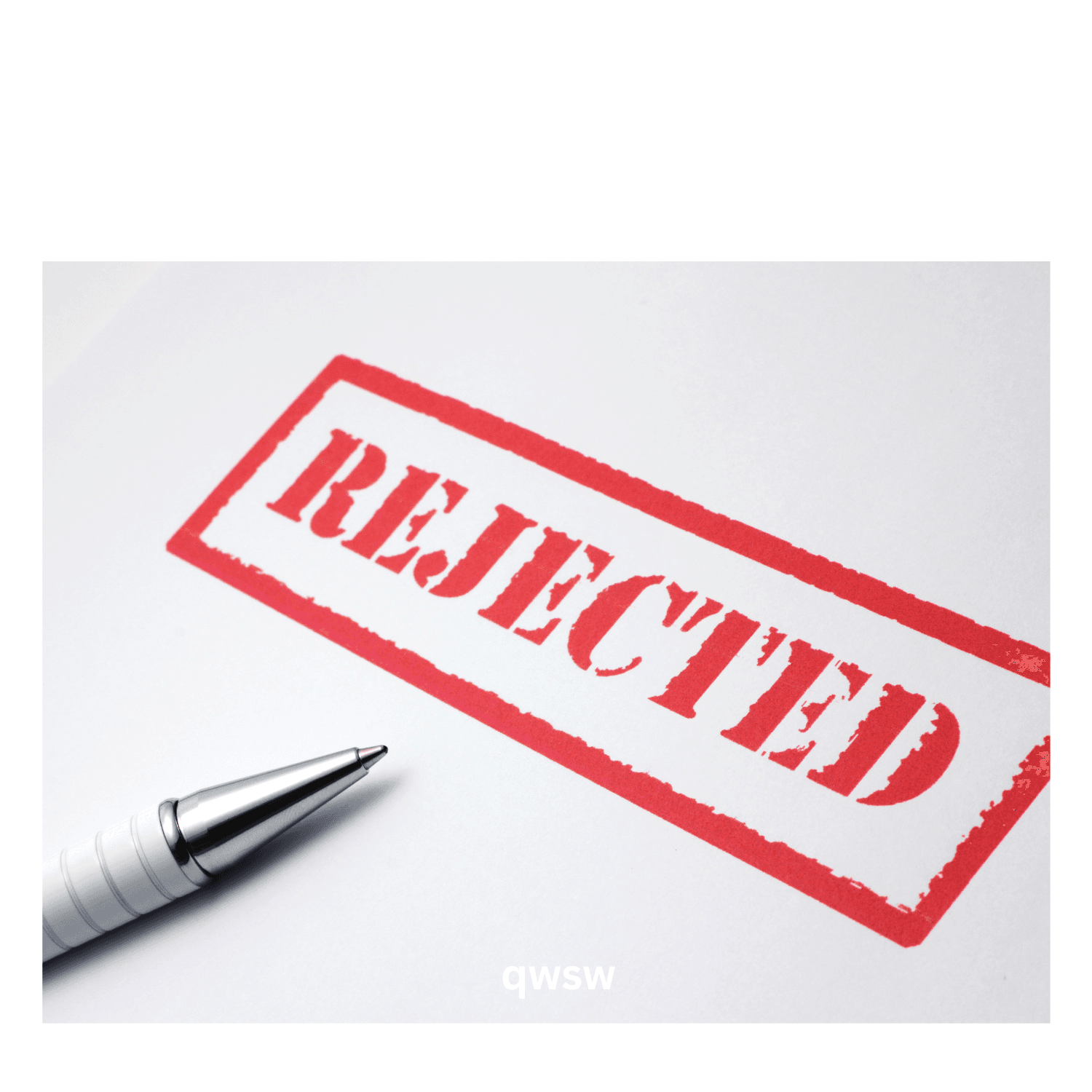
If you’ve been applying in 2026 and the response rate feels insulting, it’s probably not your talent. It’s how your resume comes across. Recruiters are scanning faster, ATS filters are stricter, and the market is full of resumes that look fine but say nothing. The good news: most of the reasons you’re getting ignored are specific and fixable.
1) Your resume describes work, but not impact
A lot of resumes read like job descriptions: a list of tasks you were responsible for. That’s a problem because responsibilities don’t tell a recruiter whether you’re effective, only that you showed up.
What actually gets attention is impact: what improved, what changed, what got faster, cheaper, cleaner, or more reliable because you were involved. You don’t need perfect numbers, but you do need a result. Even a simple “reduced errors,” “sped up reporting,” “improved conversion,” or “cut onboarding time” makes your experience real.
The fastest upgrade you can make in 2026 is turning “I did” into “I moved.”
2) You’re sending the same resume to every job
Generic resumes don’t get rejected with a dramatic no. They get quietly ignored, not because you aren’t qualified, but because your fit isn’t obvious at a glance.
Recruiters don’t have time to interpret. They look for alignment: the same language as the job description, the right skills appearing early, and your most relevant work sitting near the top.
This doesn’t mean rewriting your resume from scratch every time. It means small, strategic tailoring: adjust your summary, reorder bullets, and mirror role-specific keywords naturally so the reader immediately sees:
“This person matches what we need.”
3) Your formatting is hurting you (even if it looks pretty)
In 2026, resumes are read by humans and machines—and both can be unforgiving.
A design-heavy layout with columns, icons, graphics, or text boxes might look modern, but it’s also the easiest way to break ATS parsing and confuse recruiters who skim fast.
Clean formatting wins because it’s readable everywhere:
- one column
- consistent dates
- clear headings
- simple bullets
If your resume can’t be skimmed in ten seconds, title, company, dates, skills, outcomes, you’re forcing extra effort. And resumes that require effort don’t get interviews.
4) Your resume sounds polished… but vague
Recruiters have seen “professional” phrases so many times they’ve become invisible:
- results-driven
- hardworking
- proven track record
- passionate self-starter
In 2026, vague confidence doesn’t persuade; it blends in.
The resumes that stand out feel specific. They name the tools, the scope, the constraints, and the outcomes. They show what you actually did in a way that couldn’t belong to anyone else.
A good test:
If a line could be copied and pasted onto a stranger’s resume without anyone noticing, it’s not helping you.
5) You’re using AI in a way that makes you sound like everyone else
AI can be a superpower for job seekers, but it’s also creating a new problem: perfectly written bullets that feel generic, inflated, or slightly off.
Recruiters notice when the language is smooth, but the details are thin.
The right way to use AI is like a good editor: tighten wording, improve clarity, and help you tailor to a role, without changing the underlying facts.
Your resume should still feel like a real person with real work. If AI “improves” your content by adding claims you can’t defend in an interview, it isn’t helping—it’s setting a trap.
What works now
The resumes getting interviews in 2026 make three things obvious fast:
- What role do you fit
- What you’re good at
- What results have you produced
They’re clean, tailored, and specific, without being long. They don’t rely on buzzwords. They rely on clarity.
Want a quick upgrade?
Take one bullet point from your resume and ask:
- What changed because I did this?
- How would I prove it in an interview?
- Would this sound unique if my name was removed?
If you can answer those, your resume is already ahead of most applicants in 2026.
Bhumika Basnet
February 4, 2026
Enjoyed this article?
Get more playbooks and strategies delivered to your inbox. Join the community of job seekers shipping faster.